
When a fight hits the ground in MMA, one assumption shows up instantly:
“He’s a BJJ black belt — this should be his world.”
That belief makes sense.
Brazilian Jiu-Jitsu has finished countless fights in MMA. Submissions feel final. They feel like dominance.
But MMA doesn’t reward belt color.
It rewards pressure and control.
That’s why we often see elite black belts attacking, threatening, even “almost finishing” — yet failing to take over fights. Not because their jiu-jitsu isn’t real, but because they never controlled the fight long enough for it to matter.
So the real question isn’t whether BJJ works in MMA.
It’s this:
Why doesn’t a BJJ black belt guarantee dominance in MMA?
The answer is simple — and uncomfortable:
Because MMA rewards position and control first.
Submissions only appear at the final stage of that sequence.
To see this clearly, look at one elite black belt in two different grappling-heavy matchups.
⚙️The Core Rule of MMA Grappling
In MMA, grappling dominance is not measured by:
- how many submissions you attempt
- how dangerous the moments look
- how loud the crowd reacts
It’s measured by:
- who controls where the fight happens
- who limits the opponent’s movement
- who forces the other fighter to react
Pressure creates mistakes.
Mistakes create submissions.
Reverse that order, and even elite Brazilian Jiu-Jitsu struggles to finish fights.
And this is why Charles Oliveira becomes the perfect case study.
We’ll look at two of his grappling-heavy fights — one he lost, one he won — to show why a BJJ black belt alone does not guarantee dominance in MMA:
- Oliveira vs Arman Tsarukyan
- Oliveira vs Mateusz Gamrot
Same black belt.
Two different grapplers.
Two very different outcomes.
🔺Charles Oliveira vs Arman Tsarukyan
Against Arman Tsarukyan, Oliveira looked dangerous on the ground.
There were multiple submission attempts.
There were moments where the crowd reacted.
On the surface, it felt close.
But when you look at how the fight actually played out, a clear pattern appears. You can check the full story.
Oliveira attacked early — and often.
But Arman never let the fight slow down.
He constantly:
- changed positions
- created space
- forced movement
Most of Oliveira’s submissions came from defensive or transitional moments, not from established control.
They might looked threatening — but Arman was never pinned, never frozen, never forced to stay.
That’s the difference.
Oliveira was dangerous — but he was never in charge.
In MMA, being dangerous isn’t enough.
If you can’t control your opponent’s movement, submissions rarely reach their final stage.
🔺Charles Oliveira vs Mateusz Gamrot
Now compare that to Oliveira’s fight with Mateusz Gamrot.
Gamrot is also a strong grappler.
Relentless pace. Constant pressure. Heavy exchanges.
But unlike Arman, Gamrot gave Oliveira something crucial:
time inside the position.
There were moments where:
- the pace slowed
- movement stopped
- control settled
Once that happened, Oliveira didn’t rush.
He secured the takedown.
Applied pressure first.
Took Gamrot’s back and forced him into pure defense.
Only after removing Gamrot’s defensive connections did the submissions appear.
This time, the finish wasn’t chaotic. He had the back, limit Gamrot’s escape options, so the choke was inevitable.
Because control came first.
🥋Same Black Belt. Different Outcomes. Why?
Put the two fights side by side:
Against Arman Tsarukyan
- constant movement
- no sustained pressure
- submissions attempted too early
Against Mateusz Gamrot
- slower exchanges
- control established
- submissions came last
The difference wasn’t Oliveira’s skill level.
The difference was whether he controlled the fight long enough for his submissions to take over.
🤔Why This Confuses Casual Fans
Casual fans judge grappling by output, not process.
In other words, by how close a fight feels to ending.
Submission attempts look dramatic.
Crowd reactions amplify that drama.
But MMA doesn’t score drama.
It scores:
- position
- pressure
- control
- consequence
That’s why Oliveira’s attacks against Arman felt close —
but never actually changed the fight.
And why his control against Gamrot led directly to a finish.
The difference wasn’t the submission itself.
It was everything that happened before it.
💭What’s the Real Answer?
A BJJ black belt is not overrated. It tells you what a fighter can do.
But MMA has a different question:
Can you impose pressure, control the position, and force your opponent to stay there?
If the answer is yes, submissions follow.
If the answer is no, even elite jiu-jitsu struggles to dominate.
That’s why a black belt doesn’t guarantee MMA dominance — and never has.
✒️Final Thought
BJJ provides the tools, and MMA decides when those tools are allowed to work.
Pressure creates control.
Control creates mistakes.
Mistakes create submissions.
Miss the first step, and the belt alone won’t save you.
That’s the difference between almost finishing — and actually dominating a fight.
Discover more from Data Combat Sport
Subscribe to get the latest posts sent to your email.
Related posts:


Related Posts
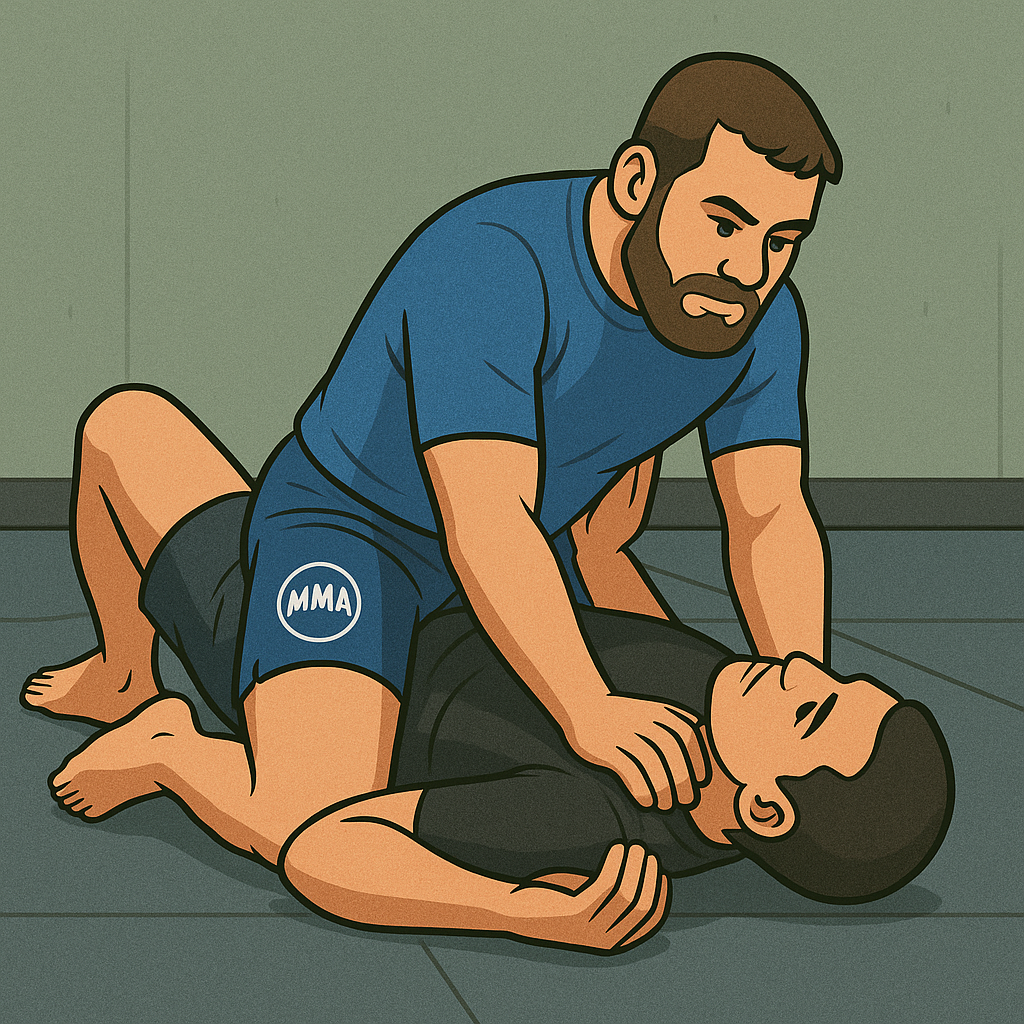
Top 4 Usual BJJ Control Positions Every Grappler Should Master
You go to YouTube, search “how to escape side control…
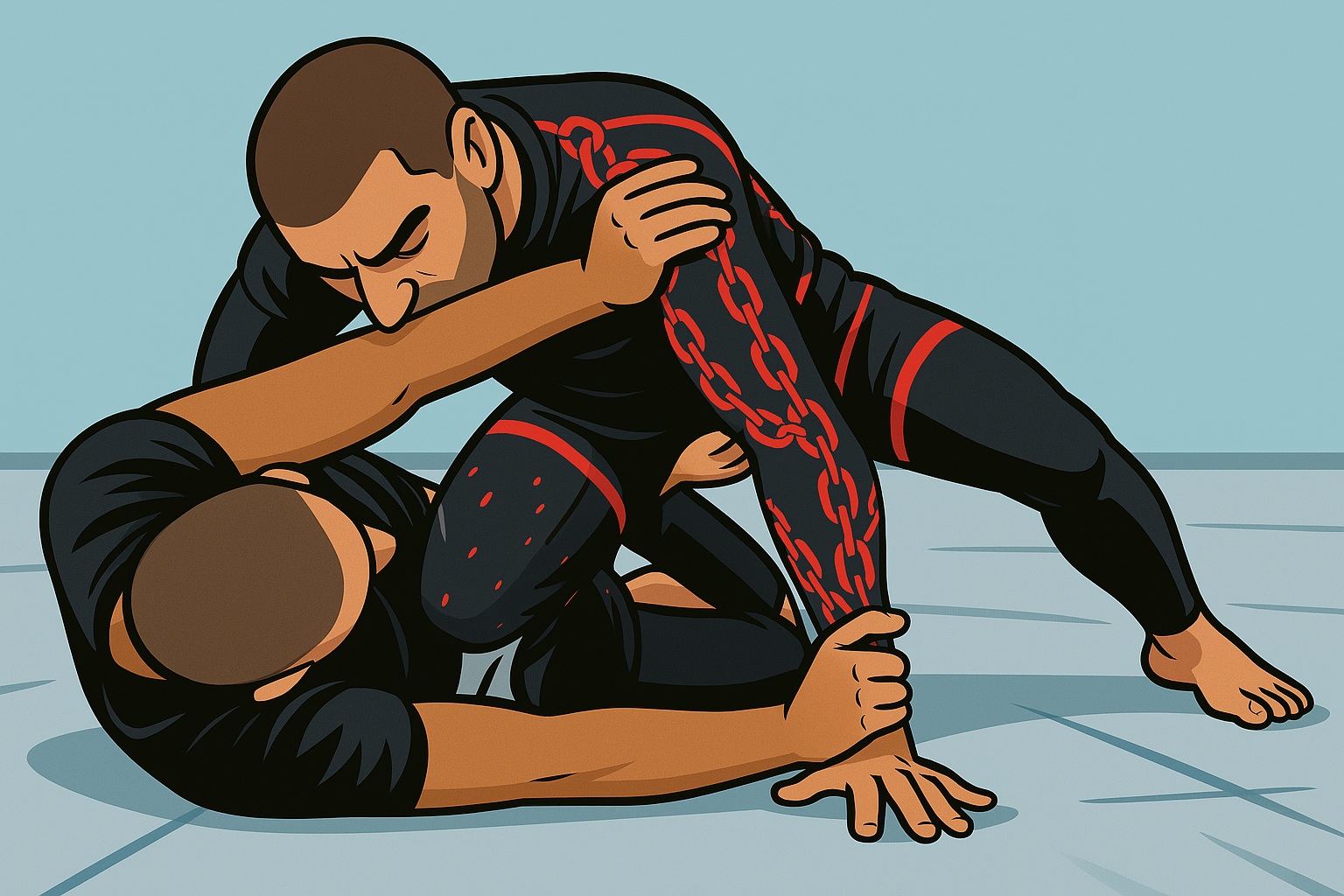
The Art of BJJ – A Complete Guide for Someone Just Survived the Roll on His First Day
What's your story?How did you stumble into this thing called…
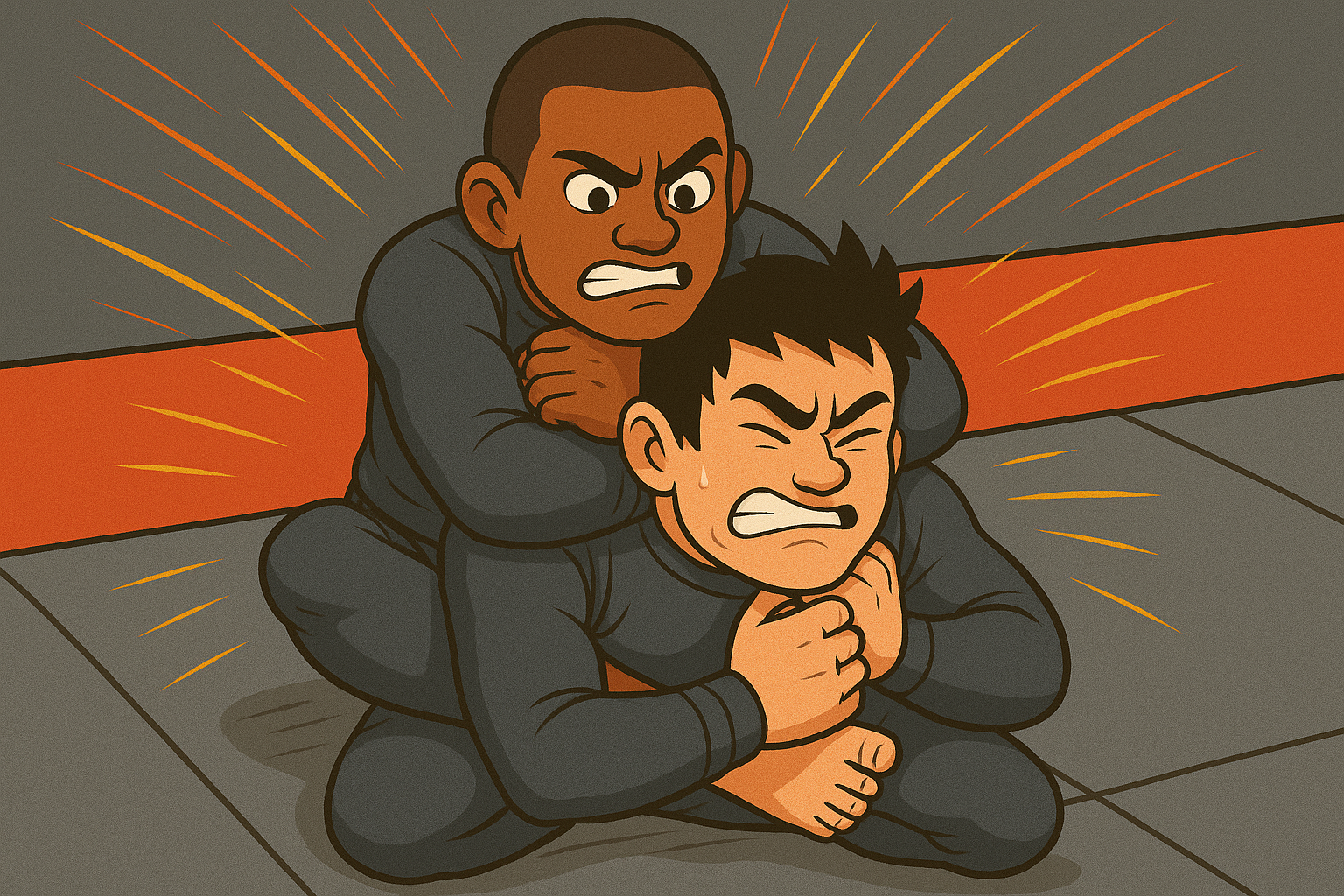
Why Beginners Should Stop Chasing Submissions in BJJ (+ What I Wish I Knew Earlier)
🥋 My MMA Introduction: Confusion, Flying Knees, and Hugs? So,…